Greenhouse Design: Creating an Eco-Friendly Growing Area
Find out exactly how to design a greenhouse that makes best use of natural light, preserves water, and incorporates eco-friendly power resources. By picking lasting products and implementing energy-efficient heating and cooling systems, you can develop a greenhouse that is both productive and environmentally aware.
Selecting Lasting Materials
When designing your environmentally friendly greenhouse, prioritize sustainability by thoroughly selecting products that are environmentally-friendly and promote energy efficiency. Among the most important aspects of creating an environmentally friendly greenhouse is selecting sustainable products. By choosing for products that have a very little influence on the setting, you can decrease your carbon impact and contribute to a much more sustainable future.
Begin by thinking about the products utilized for the structure of your greenhouse. Additionally, consider using products that have a high thermal mass, such as stone or concrete, as they can help manage the temperature level inside the greenhouse, minimizing the requirement for extreme heating or air conditioning.
Another essential aspect to take into consideration is the glazing material for your greenhouse. Choose materials that provide excellent insulation buildings, such as double- or triple-pane glass or polycarbonate panels. These materials can help catch heat inside the greenhouse, minimizing the quantity of power required for heating throughout chillier months.
In addition, when picking products for the inside of your greenhouse, go with sustainable options such as bamboo or redeemed timber for shelving and benches. These materials are not just long lasting but additionally promote the accountable usage of resources.
Taking Full Advantage Of All-natural Light
To optimize all-natural light in your environment-friendly greenhouse, focus on the critical positioning of skylights and home windows to optimize sunshine exposure throughout the day. When deciding on the placement of windows, consider the course of the sun throughout the day and just how it will certainly affect the different locations of your greenhouse.
They allow sunlight to get in from above, providing an added resource of light for your plants. When mounting skylights, consider their dimension and placement (Monarch Greenhouse builder Utah).
Executing Energy-Efficient Home Heating and Cooling Solutions
To further improve the power efficiency of your green greenhouse, consider executing energy-efficient home heating and cooling systems. These systems play an important function in maintaining optimal temperature and humidity levels for your plants, while reducing power usage and reducing your greenhouse's carbon footprint.
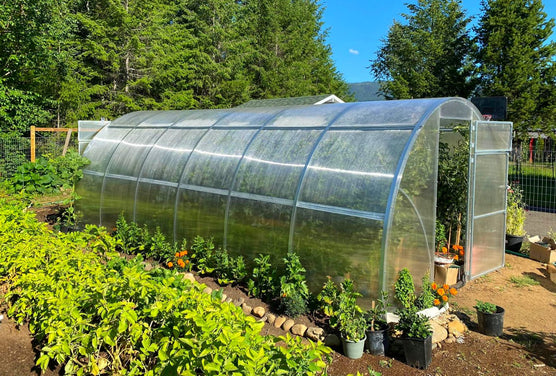
For cooling down, think about applying a mix of natural air flow and energy-efficient air conditioning systems. All-natural air flow can be accomplished with the usage of vents, home windows, and sidewall drapes. This permits for the he has a good point exchange of fresh air and aids control the temperature inside the greenhouse. To additionally improve cooling, take into consideration setting up energy-efficient air conditioning systems such as evaporative air conditioning pads or misting systems. These systems use less energy compared to traditional cooling units and can properly lower the temperature level inside the greenhouse (Monarch Greenhouse installation Utah).
Water Preservation Methods
To better enhance the energy effectiveness of your green greenhouse and proceed reducing its ecological effect, it is essential to apply reliable water preservation methods. Water is a priceless source, and with the ideal techniques, you can decrease your greenhouse's water consumption while still providing ideal conditions for your plants.
One method to preserve water is by using a drip irrigation system. This method provides water straight to the plant roots, decreasing dissipation and making sure that water goes where it is required most. Additionally, setting up a rain harvesting system can assist store and catch rainwater for later use in your greenhouse. This not just reduces your reliance on metropolitan water sources however additionally saves you money in the future.
An additional strategy is to mulch your plants. Adding a layer of natural product around the base of your plants helps maintain dampness in the soil, decreasing the requirement for constant watering. Furthermore, consider utilizing a water-efficient potting mix that maintains dampness while still giving adequate drainage.
Lastly, monitor your greenhouse's water use regularly. By keeping an eye on just how much water you are making use of, you can recognize locations for enhancement and make required modifications.
Incorporating Renewable Resource Sources
Verdict
To conclude, by applying sustainable products, making the most of natural light, making use of energy-efficient home heating and cooling down systems, practicing water conservation methods, and integrating renewable resource sources, you can produce an environment-friendly greenhouse layout. This will certainly not only benefit the environment yet likewise advertise lasting and healthy and balanced plant growth. Go ahead and make a favorable influence on the world by creating an environment-friendly growing space.
When creating your eco-friendly greenhouse, focus on sustainability by meticulously you can look here choosing materials that are environmentally-friendly and promote power effectiveness. These materials can aid catch warmth inside the greenhouse, decreasing the amount of power needed for heating throughout chillier months.
These systems use less energy contrasted to standard air conditioning units and can effectively decrease the temperature inside the greenhouse.
You can include renewable energy resources into your greenhouse design to make it click this link a lot more lasting and eco-friendly.In final thought, by executing sustainable materials, taking full advantage of all-natural light, utilizing energy-efficient heating and cooling systems, exercising water conservation methods, and incorporating renewable power resources, you can produce an environment-friendly greenhouse style.